Worcester John 1199-1216 Sudeley Kathryn Parr Gloucester Edward ii 1307-1327 Malmesbury Athelstan 924-939 Glastonbury Arthur Edmund i 939-946 Edgar 959-975 Edmund ii 1016 – 8 months Sherborne Ethelbald 858-860 Ethelbert 860-866 Shaftesbury Edward the Martyr 975-978 Wimborne Minster Ethelred i 866-871 Rufus Stone William Rufus (site of death) 1087-1100 Winchester Cynegil 611-642 Cenwealh 642-672 Egbert 802-839 Aethelwulf 839-858 Alfred 871-899 Edward the Elder 899-924 Eadred (Edwy) 955-959 Canute 1017-1035 Hardicanute 1040-1042 William ii (Rufus) 1087-1100 Blaydon Winston Churchill
Worcester Cathedral
The tomb of King John (1199-1216) is in the Choir of Worcester Cathedral, and can be viewed through this link and below:
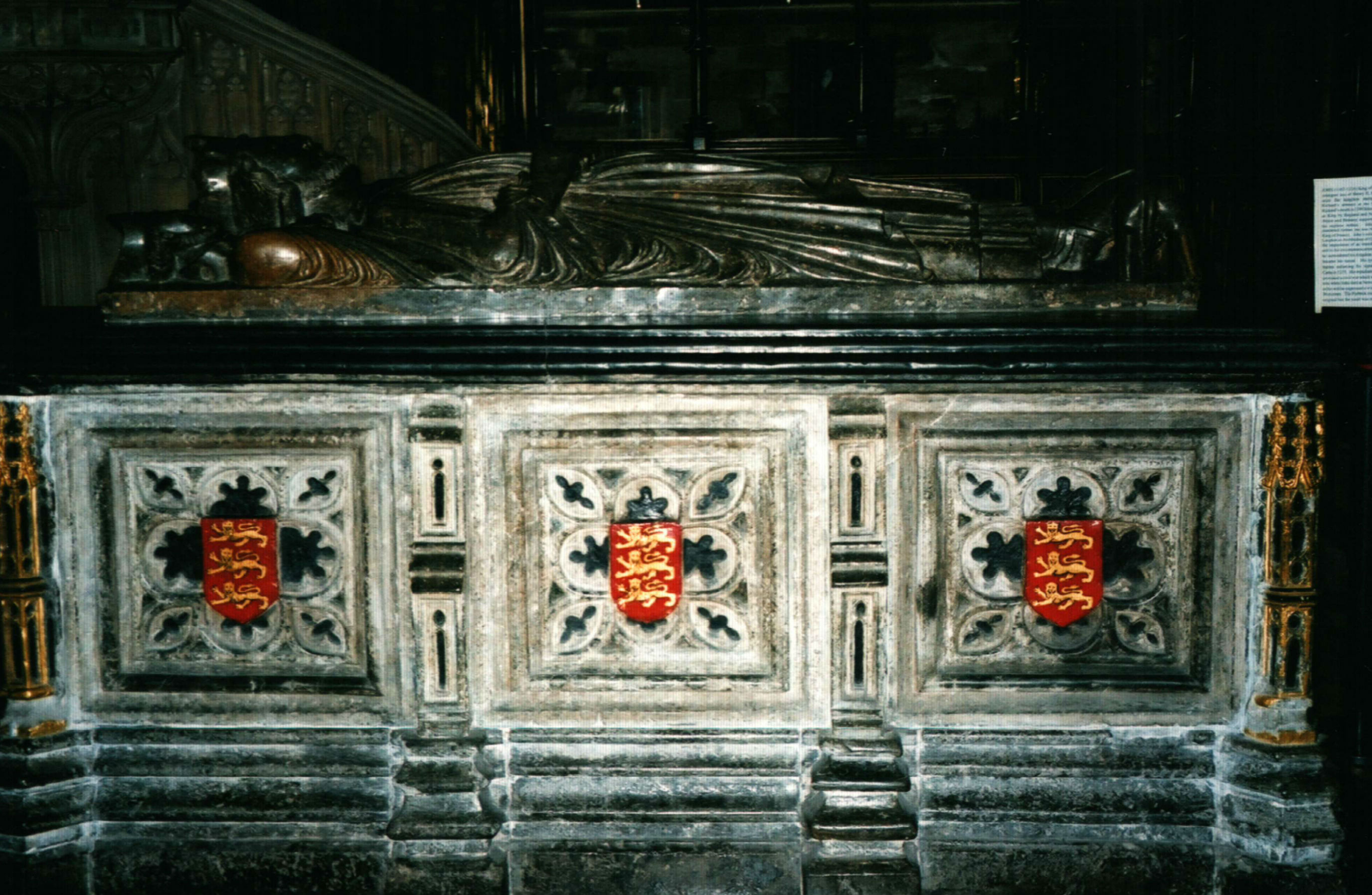 A further close-up can be viewed here.
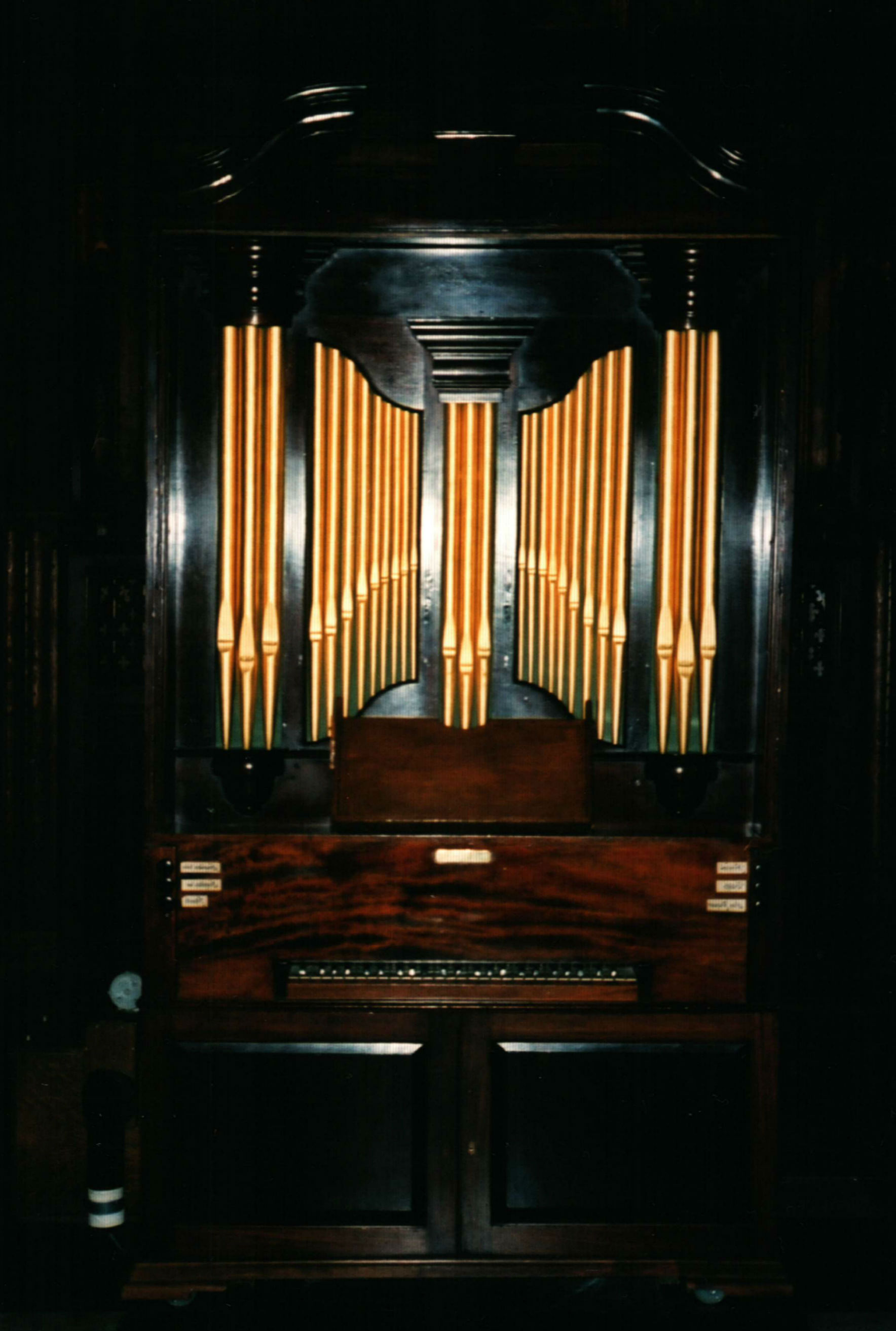
Below: a small 18th century organ.
Sudeley Castle
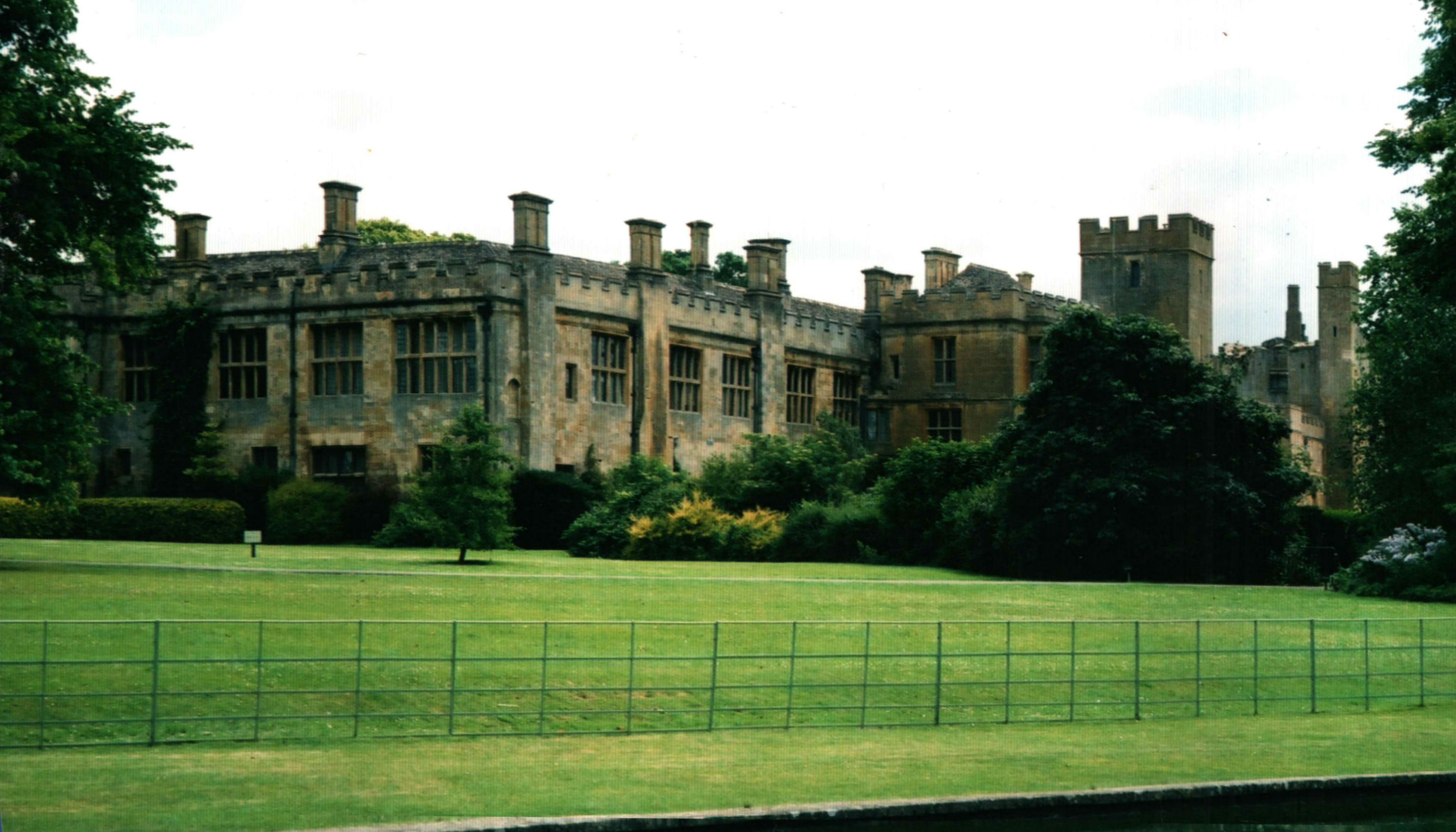

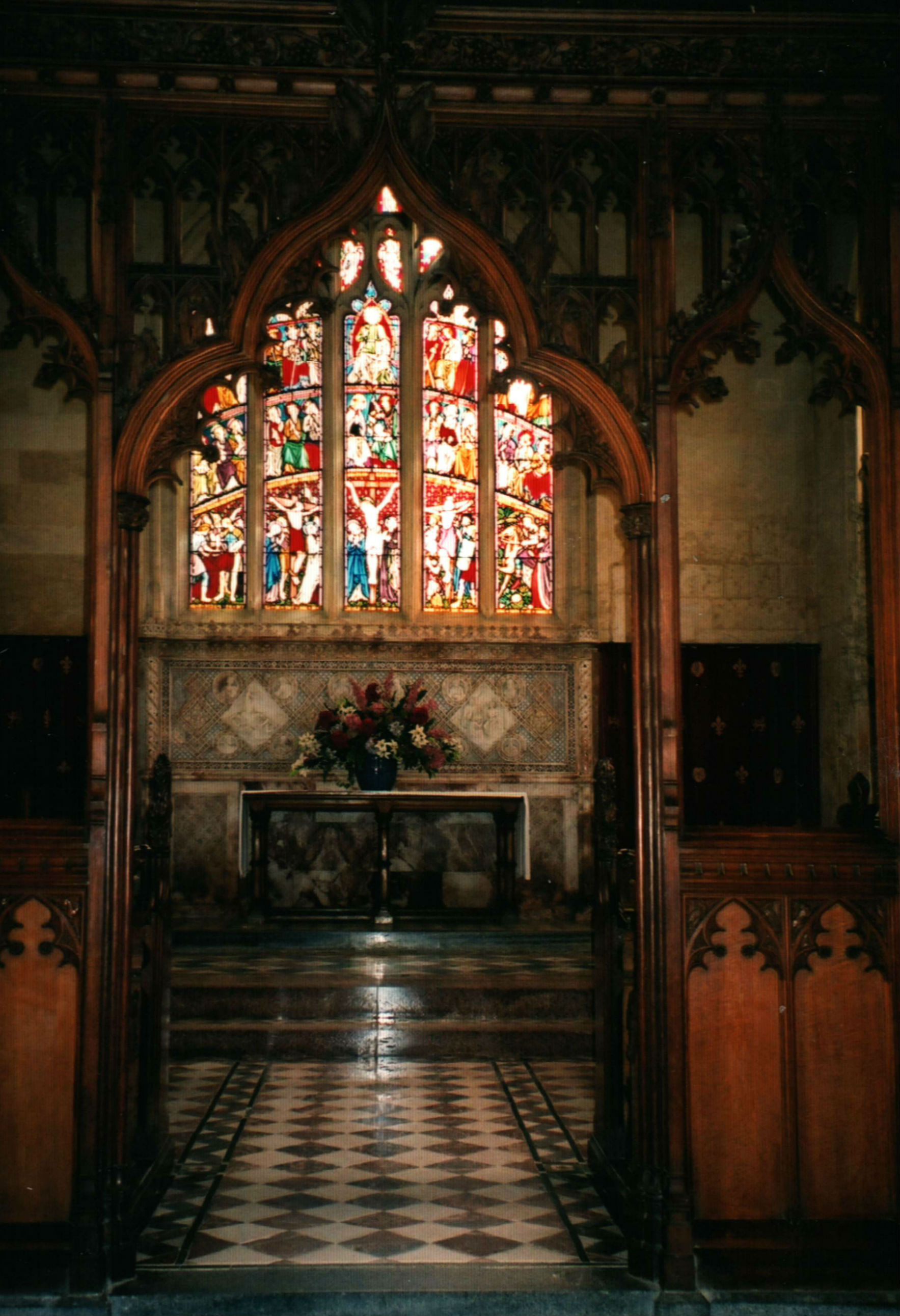
Above left: Sudeley Castle, and right: West Front of the Chapel. Below: Choir and Sanctuary.
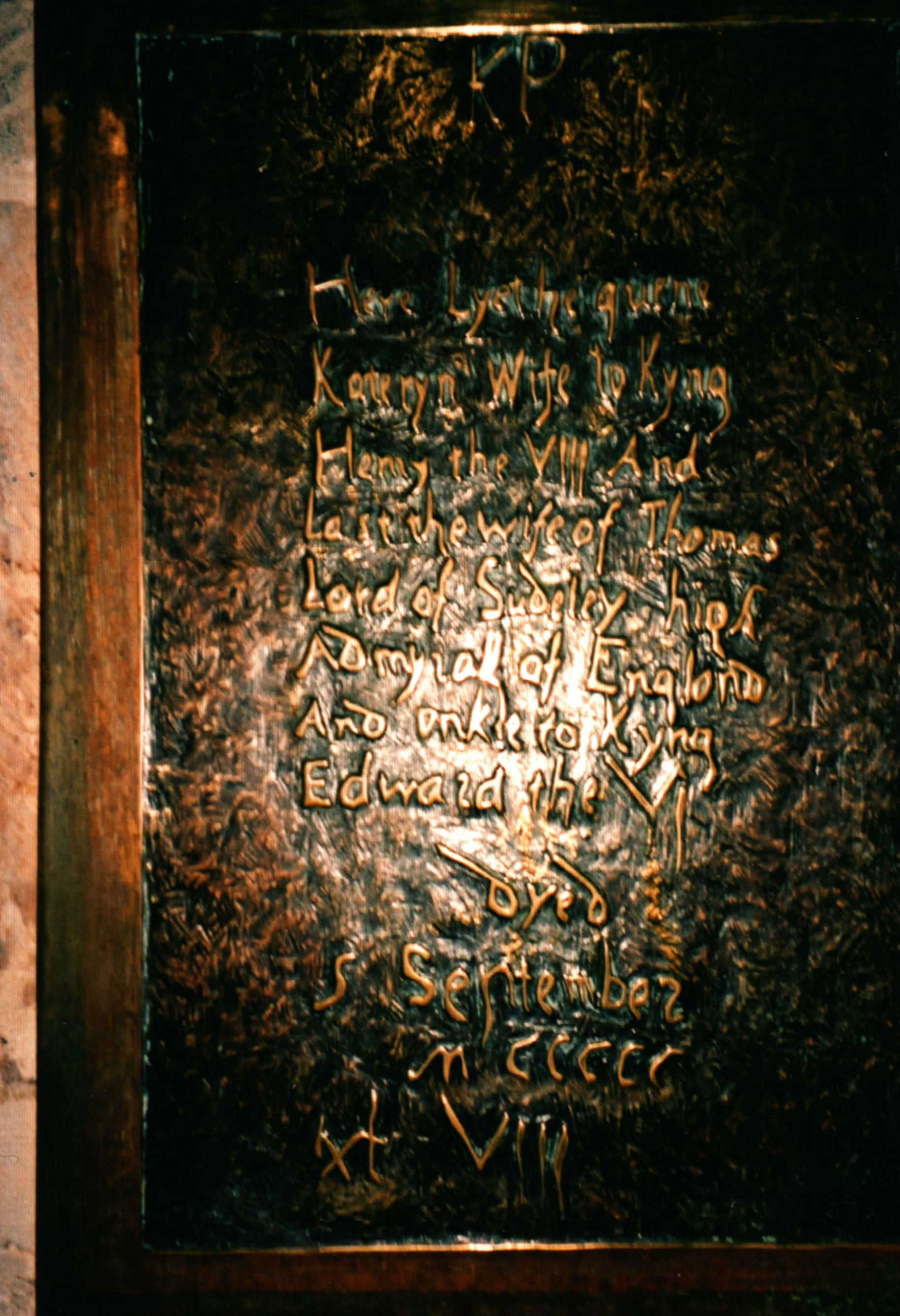
Above right: memorial plaque to Queen Kathryn which reads: ‘Here lieth Quene Kateryn Wife to Kyng Henry VIII And last the wife of Thomas Lord of Sudeley high Admiral of England and Unkle to Kyng Edward the VI; he dyed 5 September MCCCCXLVIII (1548)’.
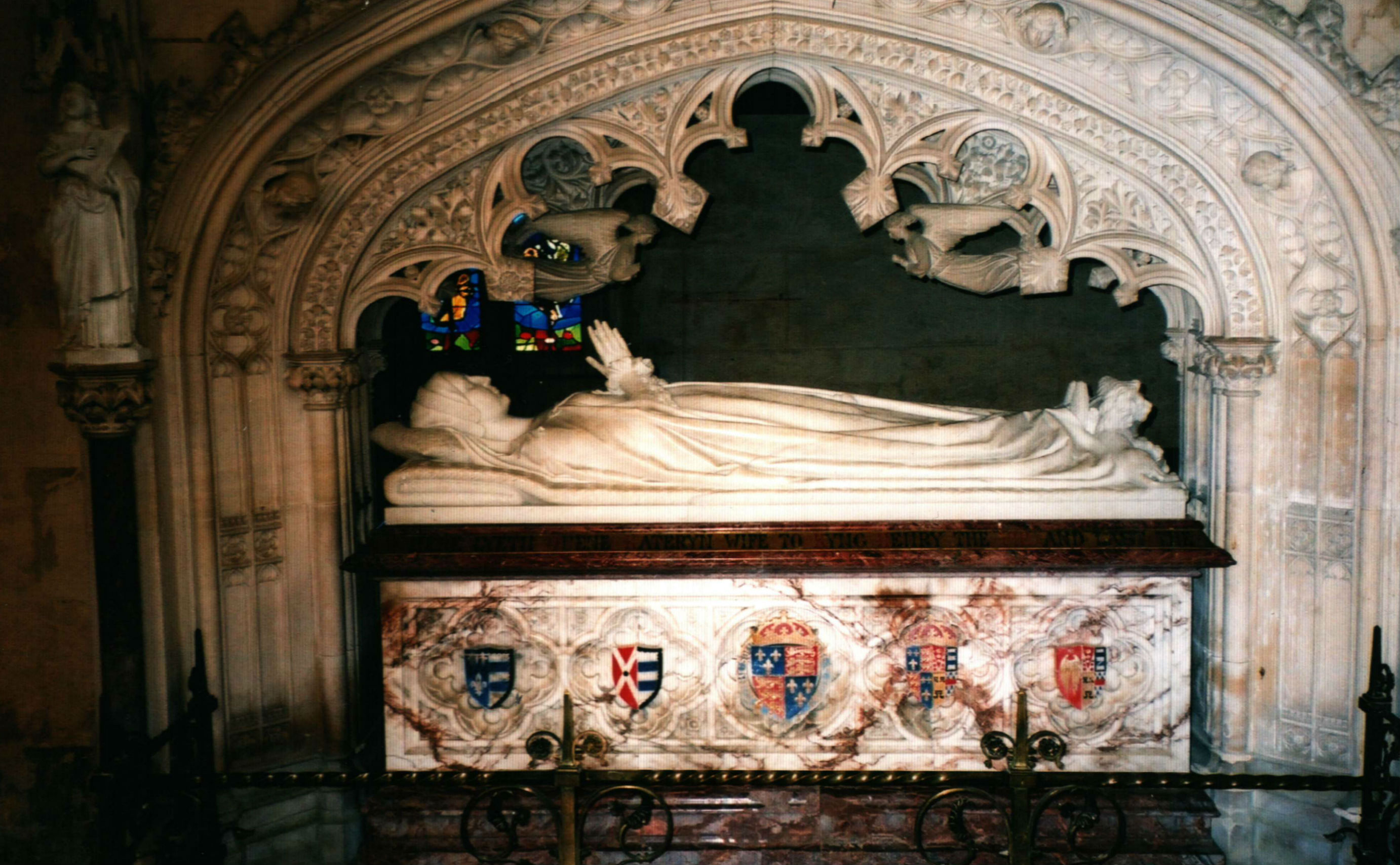
Below: the tomb of Queen Kathryn Parr.
Gloucester Cathedral
Gloucester Cathedral can be seen through this link. Below left: a view of Gloucester’s acclaimed ‘cloisters’. Below right: Robert, Duke of Normandy. He was the eldest son of William the Conqueror and succeeded his father as Duke of Normandy, while his younger brother, William (Rufus) ruled England.

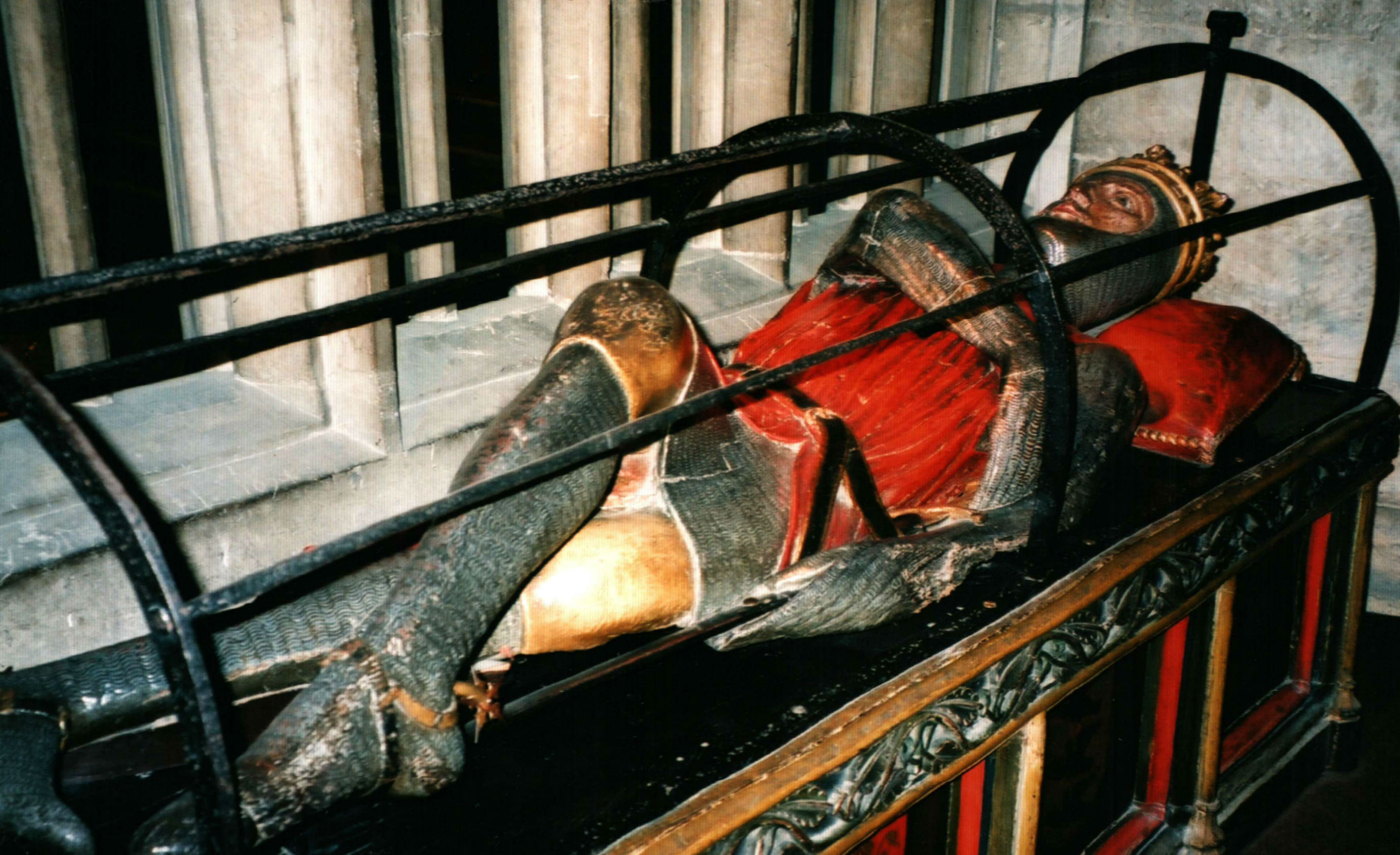
Conflict between the brothers cost Robert the Duchy of Normandy and after twenty eight years’ imprisonment in England, he died in 1134.
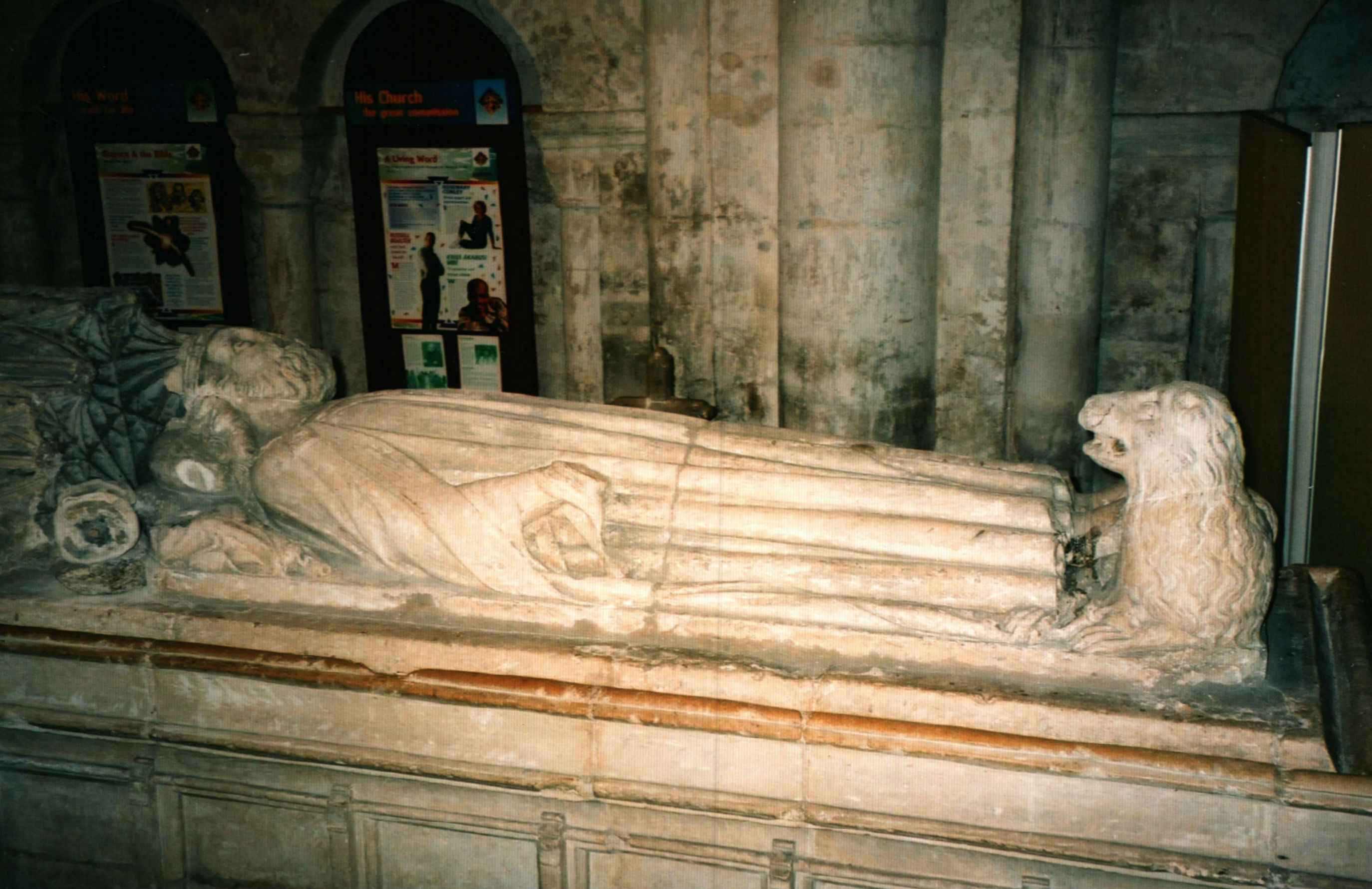
Below left: the plaque commemorating the burial site of King Edward ii (1307-1327) and right, the tomb of King Edward ii.
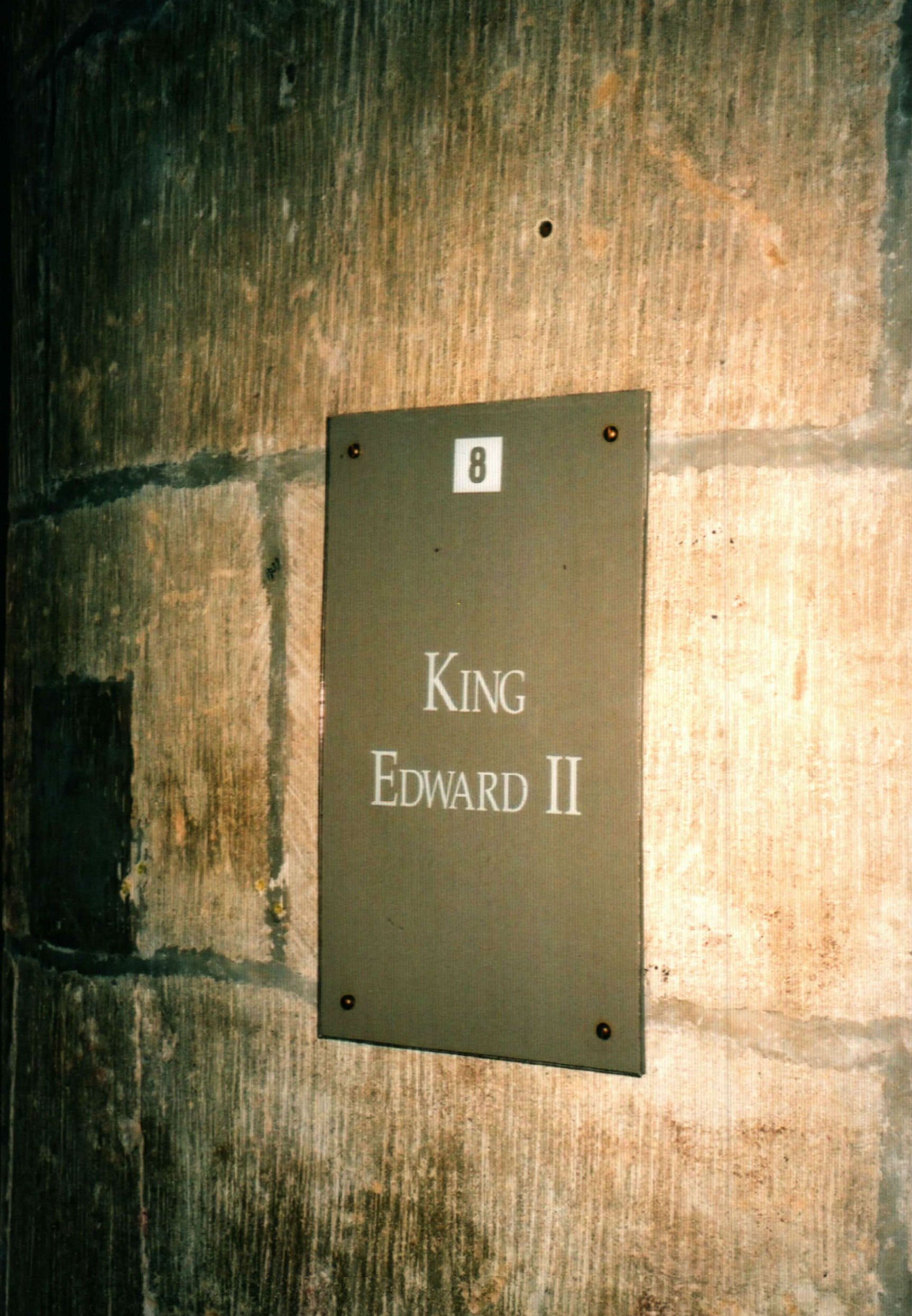

His peculiar friendship with one ‘Piers Gaveston’ led to the latter’s summary execution and the simultaneous abdication of Edward in favour of his son (to be Edward iii). A reigning King and an ex-King could not be, and so Edward ii was murdered at Berkeley Castle in 1327 by thrusting a red hot poker via a funnel into his rectum and intestines thus removing any visible signs of treachery.
Malmesbury Abbey
Malmesbury Abbey can be viewed through this link. (Beside the Abbey is my hotel, which Her Majesty the Queen visited).
This link shows The Nave. Below: the tomb of King Athelstan (924-940).
Glastonbury Abbey
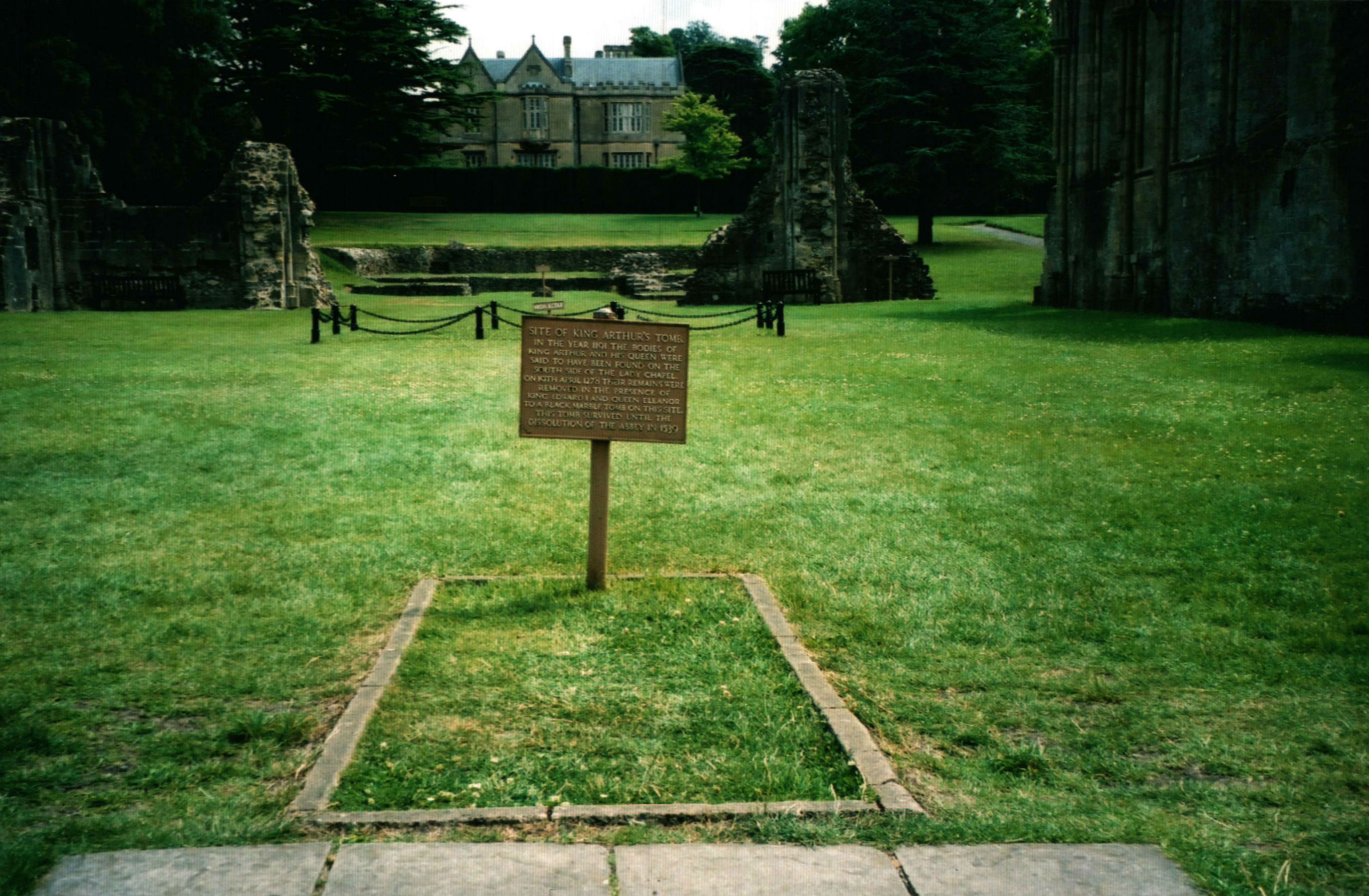
Glastonbury – steeped in history and mystery, is traditionally the burial site of the romano-british ‘King’ Arthur (539 ?) and his wife Guinevere. Also buried here are Edmund I (939-946); Edgar (959-975); and Edmund ii (April to November 1016).
A model provides a view of what the Abbey might have looked like in 1539 and can be viewed through this link. Below left: as it is today.
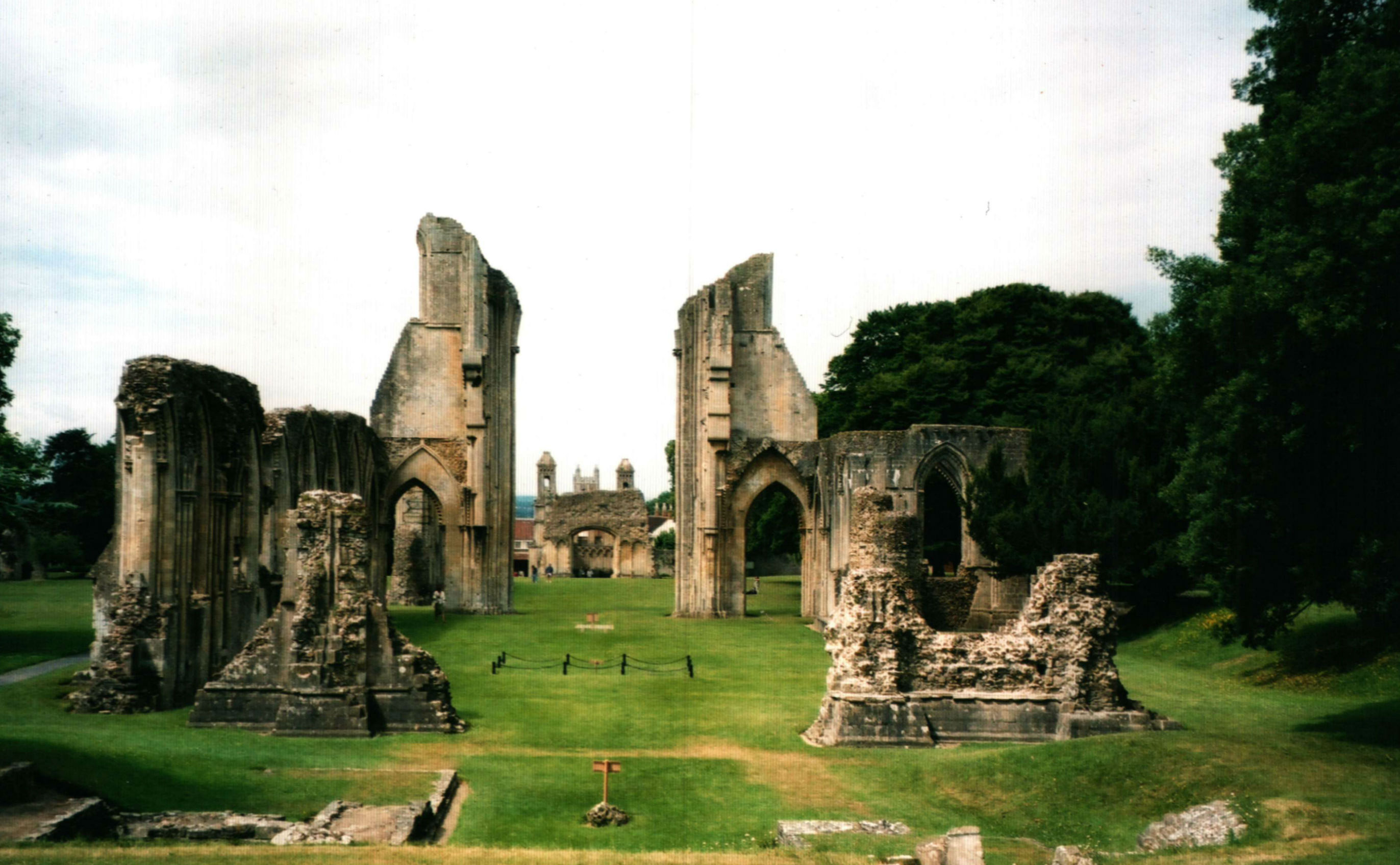
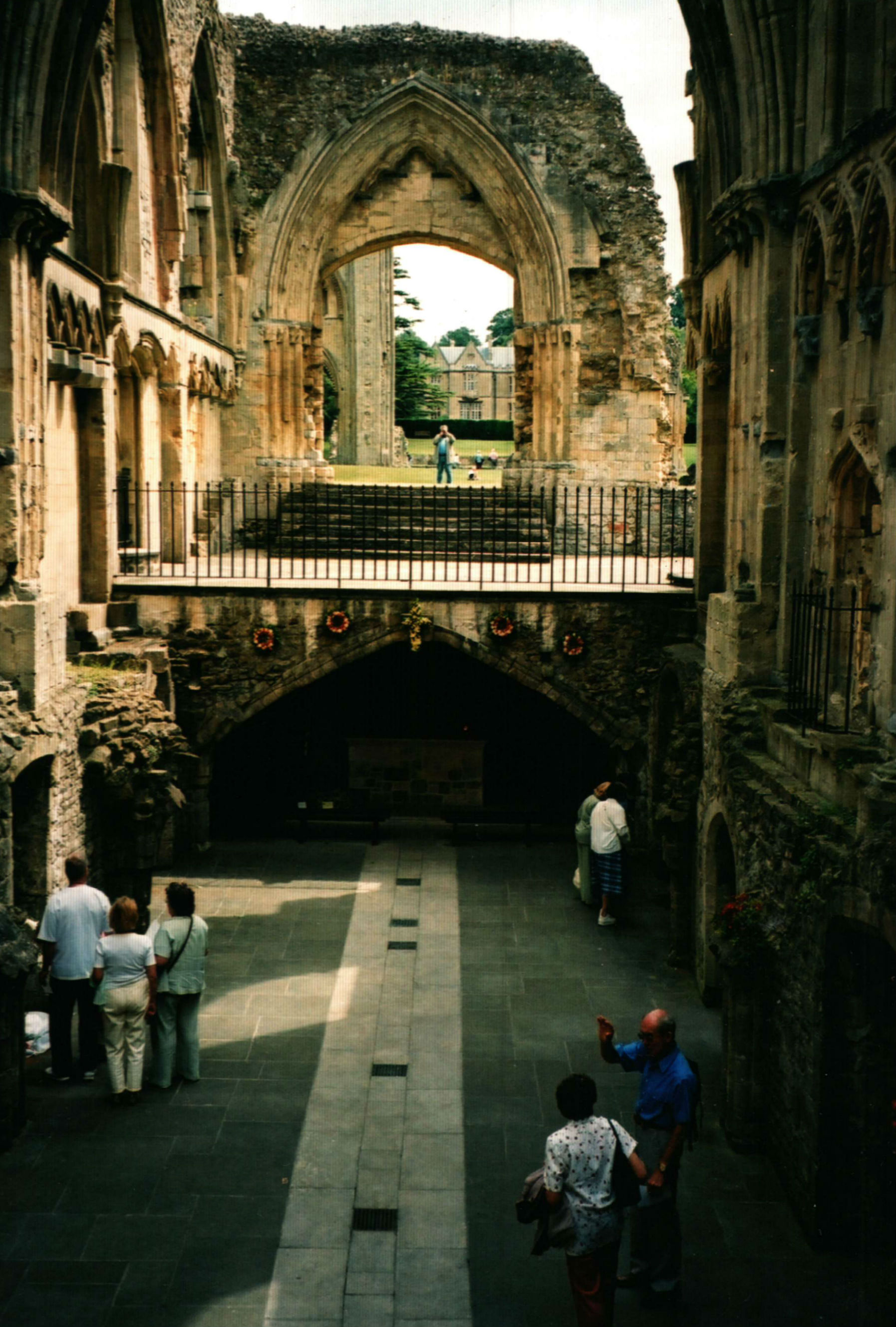

Above left: The Crypt, and right: the remains of the west end.
The core of Glastonbury’s first monastery was the ancient cemetery which had grown around the old church of St Mary south of where the Lady Chapel stands today. Very early graves are packed together and one is believed to be that of King Arthur, who almost certainly existed but not in the stylised way he has been portrayed down the ages.
An early legend has it that his wife, Guinevere, was kidnapped by Melwas, King of ‘Summer Land’ (Somerset), imprisoned in his castle on The Tor and rescued by Arthur and his army. Perhaps it was inevitable that the Knights of the Round Table should spring from that.
However, even when stripped of all the mythology there clearly did exist a Celtic warlord who succeeded in halting the Saxon advance. It is also confirmed that the grave the monks found in 1191 was of Celtic origin and that a few feet above the coffin they found a leaden cross with a Latin inscription claiming that the body was that of King Arthur.
At the Dissolution the shrine was despoiled and Arthur’s grave was no more. It was not until 1934 that excavations revealed the final resting place of the King which is now marked with a simple plaque.




Sherborne Abbey



Shaftesbury Abbey
The once great Benedictine Abbey founded by King Alfred was another victim of Henry viii’s Dissolution.
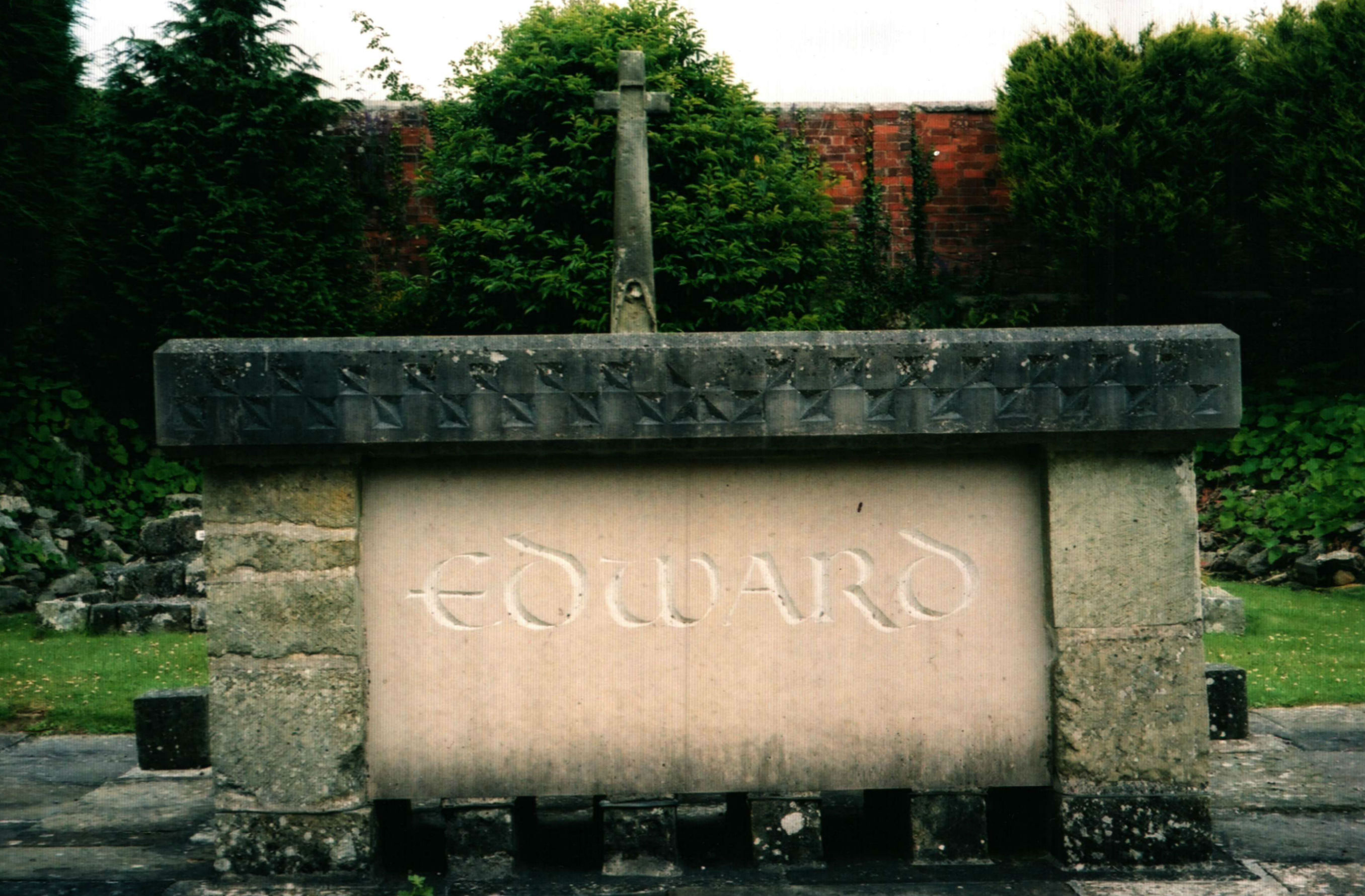
Below left: the Abbey ruins. Below right: the High Altar dedicated to the King Edward ‘The Martyr’ murdered at Corfe Castle and buried in the Abbey in 978.



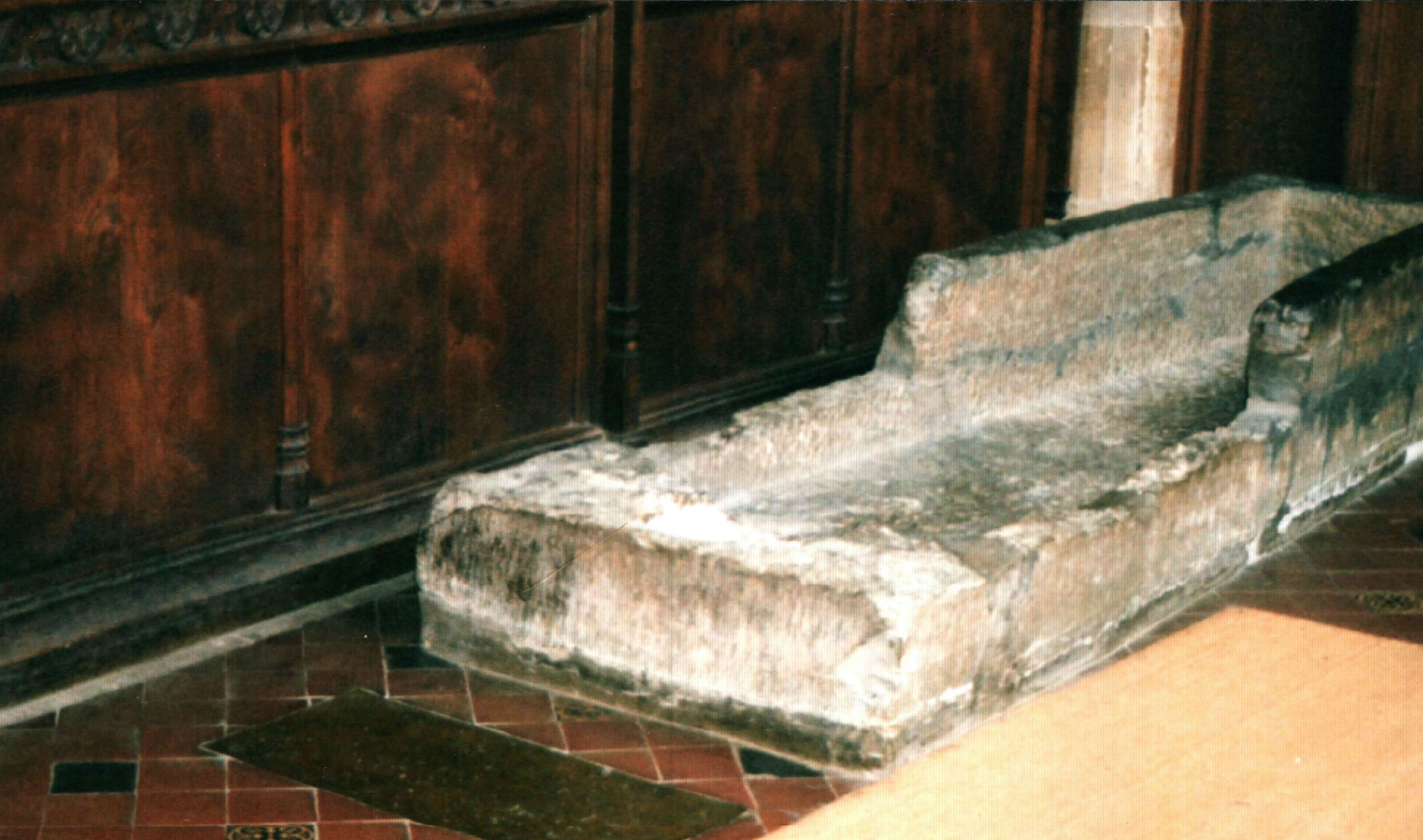
Top left: an empty monastic tomb in Shaftesbury Abbey and, above right: the site of the 1935 discovery of a lead casket containing bones. The nature of it indicated a burial of royal origin and thus it was assumed to be that of King Edward The Martyr 975-978. The casket is now in the Abbey Museum and can be viewed through this link.
Wimborne Minster
Photographs of Wimborne Minster can be viewed through this link.
Below left: the memorial plaque (said to be a copy of the original coffin plate) to King Ethelred 866-871. Below right: part of the organ case with its Chamade de Trompette pipes.


The New Forest
Below: The Rufus Stone in the New Forest.


 Royal Resting Places